
Why “Just Let Me Know What You Need” Doesn’t Work
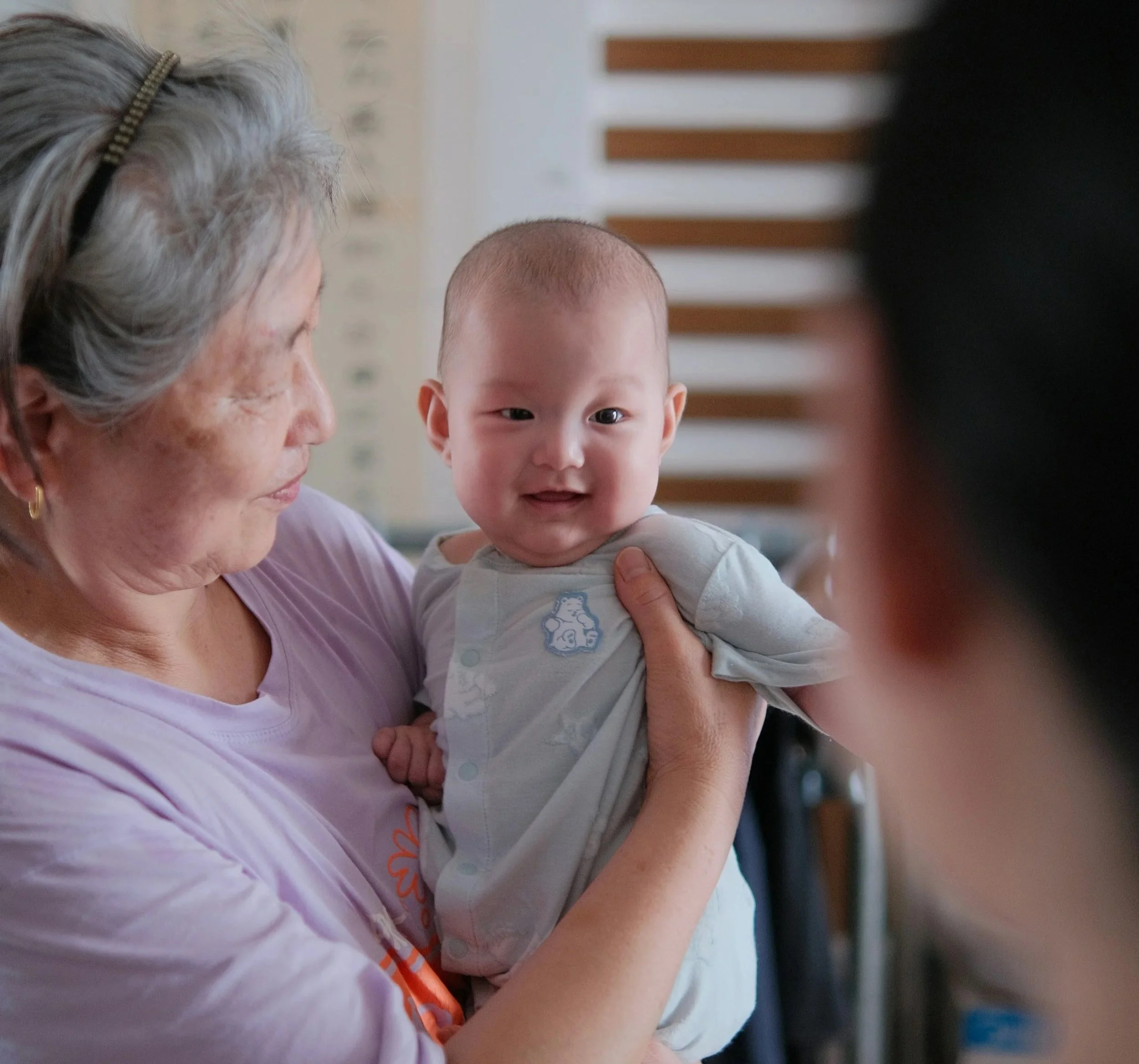
Most women mean well when they say it.
“Just let me know what you need.”
It sounds generous. Open. Supportive.
But for many new mothers, especially daughters trying to find their footing, it doesn’t actually feel helpful. Because now the burden shifts to her.
She has to figure out what she needs. She has to decide whether it’s okay to ask. She has to organize the help. And sometimes, she has to manage your feelings if she says no.
That’s a lot for someone who’s exhausted, overwhelmed, recovering physically, emotionally stretched, or simply trying to adjust to becoming a mother.
This is one of the biggest misunderstandings I see between mothers and daughters after a baby arrives:
The grandmother thinks she’s offering support.
The daughter experiences it as another thing to manage.
Not because you did something wrong. But because helping is a skill.
And most of us were never taught how to do it in this stage of life.
Why vague offers often don’t work
When someone says:
“Call me if you need anything.”
It sounds flexible. Respectful. Non-pushy.
But vague help often creates pressure instead of relief.
Your daughter may not know what’s reasonable to ask for.
She may worry about inconveniencing you.
She may not want to explain every detail.
Or she may already feel like she’s failing and not want to admit she’s struggling.
So instead of asking, she says:
“No, we’re fine.”
Even when she’s drowning.
What actually feels supportive
Specific help is easier to receive.
Not controlling.
Not intrusive.
Just clear.
Things like:
“I’m going to the grocery store. Want me to drop food off tomorrow?”
“I have two free hours Thursday afternoon. Would laundry or a walk with the baby help more?”
“I can come hold the baby while you shower or nap if that sounds useful.”
Notice the difference.
You’re not taking over.
You’re not assuming.
And you’re not making her do all the emotional labor of coordinating support.
You’re offering options.
That matters.
Helping isn’t about doing more
This is where many grandmothers get stuck.
They think:
“If I really care, I should just jump in.”
Not always.
Sometimes jumping in without checking creates tension faster than distance does.
Real support requires paying attention.
Can your daughter receive advice right now?
Does she want solutions—or just calm company?
Is she someone who likes lots of involvement, or someone who needs more space?
There isn’t one right formula.
What helped your sister may irritate your daughter.
What would have comforted you may overwhelm her.
That doesn’t make anyone wrong.
It just means relationships require adjustment.
A better question to ask
Instead of:
“Let me know what you need.”
Try:
“What would feel helpful right now?”
Or even:
“I have energy to help this week. Here are three things I could realistically do.”
That last part matters too.
Overpromising creates its own problems.
Reliable support builds trust.
Performative support usually doesn’t.
The goal isn’t to become indispensable
This part can be uncomfortable to admit.
Sometimes grandmothers offer help in ways that quietly place them at the center.
They want to feel needed.
Included.
Important.
That’s human.
But your daughter does not need another person directing her experience of motherhood.
She needs people who help her feel steadier inside it.
That’s different.
The grandmothers who stay close long-term are rarely the loudest or most involved.
They’re often the ones who learned how to adjust.
How to notice.
How to ask.
How to support without making themselves the center of the interaction.
Helping is a skill.
And like any skill, it can be learned.
